


Showing posts with label Cassia. Show all posts
Showing posts with label Cassia. Show all posts
Wednesday, 17 April 2013
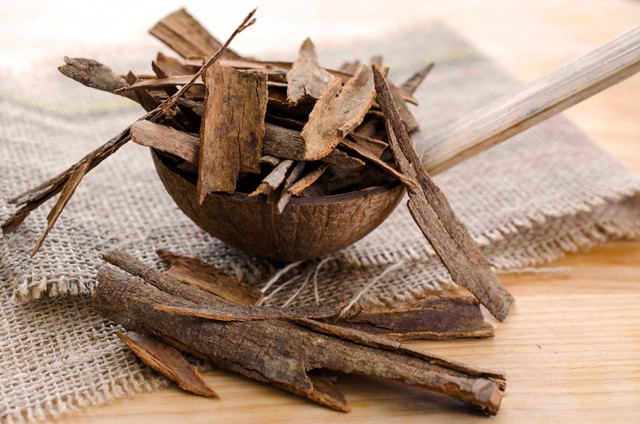
I don't know anyone who can resist the warm, soothing fragrance of cinnamon, do you? This warm, aromatic spice is used in everything from mulled wine to fragrantly spiced curries, to enduring cinnamon buns and baking of all kinds of goodies.Cinnamon has been prized everywhere since the early Egyptians and its not surprising that its a staple in Middle Eastern cooking as well as in cusines from all over the world. Mexican cuisine prizes its 'cannella' and no Indian spice cupboard is complete without its distinctive curls and bark.
There are several varieties of cinnamon, but in this short piece I will be focusing on the two genus' that I use the most, cassia bark and 'true' cinnamon.
Cassia Bark
Latin Names: Cinnamomum Cassia (Chinese)/ Cinnamomum Burmannii (Indonesian)/ Cinnamomum Loureiroi (Vietnamese)
Indian Names: (Jungli/ Wild) Dalchini (dahl-chi-nee)
One of the most familiar spices in the Indian kitchen is cassia bark. I always thought that cassia was the outside bark of the cinnamon tree/ shrub, and to some extent I was right. But as I read and researched more about cinnamon, I found out that cassia is actually a genus of cinnamon, and commonly grown in China, and therefore also known as Chinese Cinnamon. It grows extensively in China and South East Asia, and is cheaper to cultivate the 'true' cinnamon. Chinese cinnamon is cheaper and exported widely around the world, and also comprises a large portion of the ground cinnamon market. There are three commonly used types of cassia, Chinese, Indonesian and Vietnamese (Saigon). Saigon cassia tends to be more expensive, though disruptions in production have meant that its Chinese cassia that is the most exported and consumed. India and Sri Lanka (Ceylon) are also huge producers of cassia, with the state of Kerala in India, in particular, having some of the largest cassia/ cinnamon estates in Asia.
Cassia bark is widely used in Indian cooking, in particular, and my research suggests that the reason is that its cheaper to buy and use. However, taste testing also suggests that the flavour of cassia is milder and less intense than 'true' cinnamon, and this contributes to the flavour profiles of several Indian dishes in which cassia is widely used.
Cassia bark can be easily identified by its rough, tree bark like texture and tends to be extremely hard and difficult to powder. The flavour, as I said earlier, is milder and less intense to cinnamon, and youy have to rub your fingers on it to get a sense of the fragrance. The profile is warm and aromatic, similar to cinnamon, but the taste tends to be less overpowering, therefore it can be used in larger quantities to ground or 'true' cinnamon.
Subscribe to:
Posts
(
Atom
)


